Expand All  |  Collapse All
 
Geography Packages
Coasts
Crowded Coasts
Ecosystems
Extreme Weather
Fieldwork Techniques
Glaciation
Industry
Limestone
Rebranding Places
Rivers
Rural Change
Rural Depopulation
Ski Resort Impact
Soils
Tourism
Urban
Volcanic Landscapes
Wetlands
Home Page
Availability | Prices 2008 | Prices 2009
 

Field study techniques

A field study techniques day covers the methodology and skills required to undertake an investigation into two of the following four options: sand dune succession or management and coastal or river processes.  Work is  focused more on the techniques and methodology used in the field rather than the investigation of issues or the testing of hypotheses. Approximately 2-3 hours are available for working at each of the two sites.

Coastal Processes
Travel time: 15 minutes
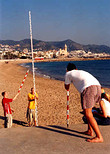
Sitges coastal processes study
Sitges shingle beach
Sitges coastal processes study
Sitges sand beach
This study investigates the coastal processes operating along the Sitges coast.

Evidence for longshore movements and dominant wave directions can be gained through a study of pebble long axes and alignments.

Comparisons can be made of shingle and sand beach profiles.


more

River Processes
Travel time: 20 minutes
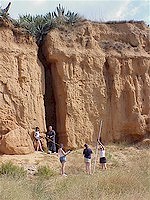
Riera de Ribes flash flood hazard study
Flash flood hazard and river management.

The Riera de Ribes is normally a dry river and the investigation is based on a historic flood notch on a river cliff.

The river flood cross-section and gradient are measured. Discharge is calculated using the hydraulic radius and Manning n formula.

Bank-full cross-sections downstream allow the risk to recent housing and camp site developments on the river floodplain to be assessed.


more
 

Sand Dune Vegetation Succession
Travel time: 30 minutes
Llobregat Delta
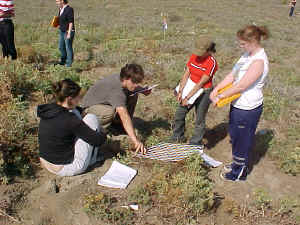
Sand dune vegetation succession study

Vegetation succession. Measurement of abiotic variables, distribution and abundance of plant species from pioneer zone to climax community.


more

 
The impact of coastal development pressures on fragile habitats

Location: Gava
Travel time: 30 minutes

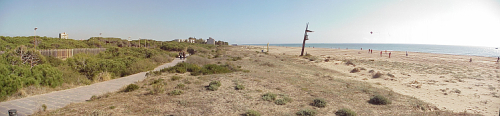
This fieldwork investigates the threats to fragile sand dune ecosystems along the coastline to the southwest of Barcelona. It examines the impact of human activity and the variations in biodiversity between managed and unmanaged dunes.

The construction of the Gava coastal walkway aims to protect the dune ecosystem mainly by reducing extensive trampling. Landscape architecture must deal with the abiotic and biotic processes of the dune system and the Gava coastal walkway has been developed to achieve these goals.
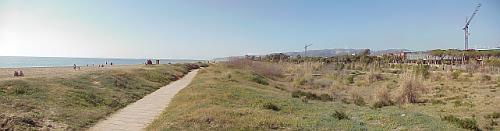
Managed dune ecosystem at the Gava coastal
walkway (February 2008)
Managed dune ecosystem at the Gava coastal walkway (February 2008)

Unmanaged dune ecosystem at the Gava coastal
walkway (February 2008)
Unmanaged dune ecosystem at the Gava coastal walkway (February 2008)

Contrasts may be drawn with the protected sand dunes at the nearby Llobregat Delta Nature Reserve. Access is restricted to permit holders and field visits are not possible during the Spring nesting season.

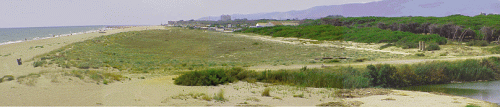
Protected dune ecosystem at the Llobregat Delta Nature Reserve

Gava dunes methodology

Sand dune management

All fieldwork is supported with secondary data. These fieldwork studies take a full day.

 
  Copyright © 2008 All Rights Reserved Barcelona Field Studies Centre S.L.  
Page update 6/06/08