
Geography
Biology
Geology
Business Studies
 
Expand All  |  Collapse All
 
News Feeds
BBC
Earth Times
EarthWire UK
New Scientist
Climate Change
Earth
Web Links
Agriculture and Food
Aid
Aral Sea
Biodiversity Under Threat
Climate Change
Coasts
Crime
Crowded Coasts
Culture
Data
Development
Doņana National Park
Ecological Disasters
Economics
Energy Security
Extreme Weather
Food Security
Forestry Management
GIS
Globalisation
Global Warming
Google Earth
Google Street Maps
Hazards
Health
Hydrological Cycle
Industry
Inventions
Maps
Meteorology
Migration
Natural Disasters
Oil
Plate Tectonics
Pollution
Population
Rain Forests
Rebranding Places
Resource Centres
Retailing
Rivers
Rural Urban Inequalities
Rural Development
Shopping
Soil
Spanish Economy
Superpower Geography
Systems
Sustainable Dev't
Technological Fix?
Tectonics
Time
Tourism
Trade and Aid
Transport
Unequal Spaces
Urban Issues
Water Issues
Wetlands
Home Page
May 21, 2013
Availability | Prices 2013 | Prices 2014
 

Google Earth Teaching Ideas

Google Earth and the financial crisis
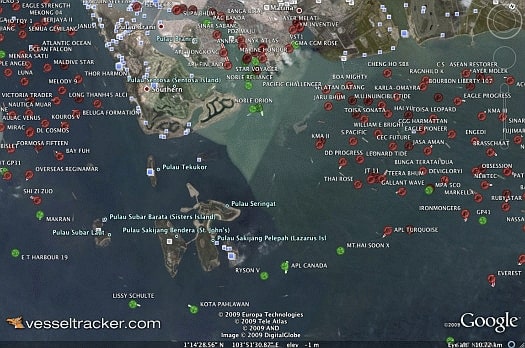
How Google Earth helps illustrate the impact of the financial crisis

The worldwide economic downturn has led to a steep drop in global trade and exports. The image above, produced using a combination of Google Earth and a plugin from Vesseltracker.com, shows an unprecedented number of container ships sitting idle off Singapore in March 2009. The world's busiest port for container traffic, Singapore saw its year-over-year volume drop by 19.6 percent in January 2009, followed by a 19.8 percent drop in February. By mid-March 2009, 11.3 percent of the world's shipping capacity, or some 484 ships, sat idle, a record.

Source: International Economy

A lesson may be combined with video news footage of ships moored off Singapore: Ghost Fleet Ships In Limbo Off Coast Of Singapore Amid Global Recession.


  Copyright © 2013 All Rights Reserved Barcelona Field Studies Centre S.L.  
Page update 12/05/13