
Geography
Biology
Geology
Business Studies
 
Expand All  |  Collapse All
 
Priorat
Climate
Environmental Impact
Food Tourism
Hypothesis Testing
Leader Initiative
Phylloxera Plague
Priorat Immigration
Priorat Products
Priorat Rebranding
Rural Rebranding
Socio-Economic Impact
Soil
Village Services
Wines
Wine Technology Park
Census Data
2001
Gratallops
Lloar
Porrera
Pradell
Torroja del Priorat
1996
l'Albi
Census Data
Commuting Out
Commuting In
Population Pyramid
Fulleda
Census Data
Commuting Out
Commuting In
Population Pyramid
Tarrés
Census Data
Commuting Out
Commuting In
Population Pyramid
Vilosell
Census Data
Commuting Out
Commuting In
Population Pyramid
Vinaixa
Census Data
Commuting Out
Commuting In
Population Pyramid
Rural Depopulation
Causes
Effects
Solutions
Fieldwork Techniques
Slope Index
Worksheets
Building Quality
Census Data
Census Data Answers
Landscape
Priorat
Villagescape
Home Page
September 10, 2010
Availability | Prices 2010 | Prices 2011
 

Priorat: Soil

The Priorat area is of volcanic origin, which gives its soils unique features. The soil is acid, poor in organic matter but rich in slate. The Paleozoic bedrock, called llicorella, consists of reddish and black carboniferous slate with small particles of mica and quartzite that reflect and conserve the heat. In between the layers of slate is powdered clay, which holds water during the hot dry summers. During times of excessive rain, the steep sloping slate provides excellent drainage.

Old vines (50 to 100 years old) can send their roots up to 20 metres deep into the rocks in search of moisture. These unique properties contribute to the quality of the wine: the wine is very concentrated, but the profits are low and the wine is expensive to produce.
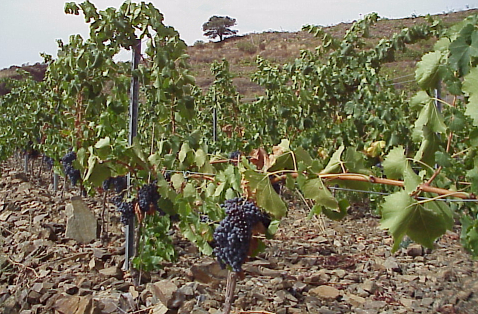
Priorat's carboniferous slate soil

Priorat Climate

Priorat Wines


  Copyright © 2010 All Rights Reserved Barcelona Field Studies Centre S.L.  
Page update 27/09/09